Maintaining a pristine landscape in the high-altitude climate of Eastern Idaho requires more than just regular mowing; it demands a vigilant eye for the silent fungal threats that can undermine your soil's health. At Swiss Precision Enterprises, we have spent decades cultivating deep roots in this community, and we know that a vibrant yard is the foundation of a beautiful home. However, even the most well-tended grass can fall victim to pathogens that thrive in our unique weather patterns.
Understanding how to identify and treat these issues is an essential part of a comprehensive landscaping service for any homeowner who views their outdoor space as a long-term investment.
Identifying the Most Common Lawn Diseases in Idaho
Early detection is the secret to saving your turf before a small patch becomes a total renovation project. In our region, temperature swings and moisture levels create specific windows of vulnerability for your grass. By recognizing these five common issues, you can take action before the damage spreads to your gardens or ornamental trees.
1. Necrotic Ring Spot
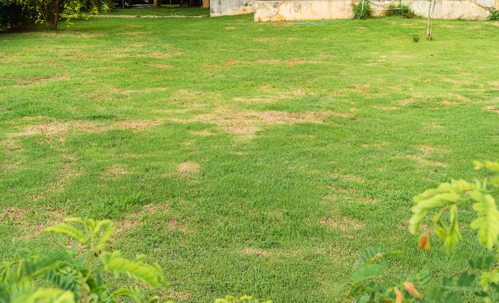
This is perhaps the most frustrating disease for local homeowners, appearing as circular patches of dead, straw-colored grass with a "frog-eye" center of green growth. It is a soil-borne fungus that thrives in the cool, moist springs of the Mountain West and often becomes visible as the summer heat stresses the weakened root systems.
2. Snow Mold
As the heavy Idaho snowpack finally recedes in the spring, you may find matted, crusty patches of gray or pink mycelium. Gray snow mold usually disappears as the lawn dries, but pink snow mold can be more aggressive, attacking the crown of the grass and requiring professional intervention to ensure a full recovery.
3. Leaf Spot and Melting Out
Common during overcast, rainy periods, this disease starts as small dark spots on the grass blades. If left untreated, it progresses into "melting out," where the entire plant rots at the soil line, leading to a significant thinning of your lawn's density and inviting invasive weeds to take over.
4. Dollar Spot
Named for the silver-dollar-sized bleached spots it creates, this disease often strikes when nitrogen levels in the soil are low. These spots can eventually merge into large, unsightly blighted areas, especially during humid stretches when dew sits on the grass for extended periods.
5. Ascochyta Leaf Blight
This disease often appears suddenly during the transition from spring to summer, causing large areas of the lawn to turn a uniform straw color. It is often mistaken for drought stress, but the rapid onset and bleached appearance of the grass tips are the tell-tale signs of this fungal infection.
Personalized Care for Your Idaho Landscape
At Swiss Precision Enterprises, we believe that a healthy ecosystem is the best defense against disease, which is why we emphasize sustainable practices that strengthen the grass from the roots up. Our family-owned business operates its own nursery and greenhouse, giving us an unparalleled understanding of the native plants and soil compositions from West Yellowstone to Idaho Falls. Whether you are dealing with a persistent fungal breakout or simply want to fortify your yard for the coming season, our team is equipped with the knowledge and passion to help your property thrive.
Take Action to Restore Your Green Sanctuary
If you’ve noticed discolored patches, thinning turf, or unusual growth in your yard, don't wait for the damage to become permanent. A diseased lawn can quickly lose its curb appeal and value, but with the right diagnosis and treatment plan, your outdoor space can be restored to its former glory. Reach out to the experts at Swiss Precision Enterprises by calling (208) 648-5281 to schedule a professional consultation and ensure your landscape remains a healthy, vibrant reflection of your home.